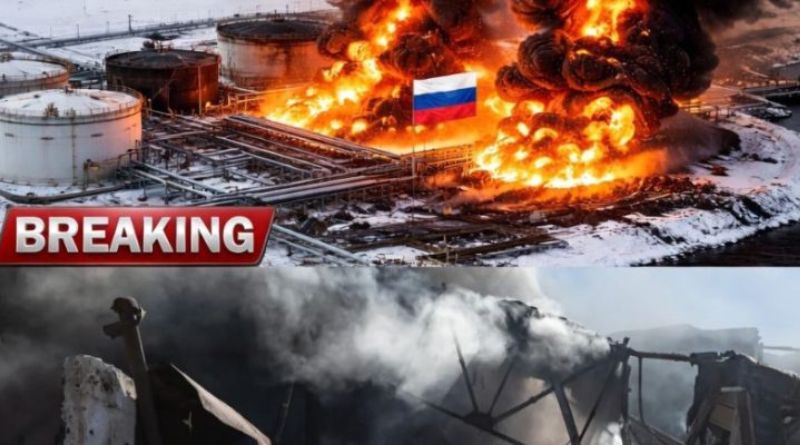
Strike in the Arctic: Ukraine’s Alleged Assault on Russia’s Kola Bay Oil Hub
Strike in the Arctic: Ukraine’s Alleged Assault on Russia’s Kola Bay Oil Hub
In the early hours of an otherwise ordinary day, the quiet of Russia’s Arctic energy corridor was broken at precisely 4:47 a.m. What unfolded was no random incident but a meticulously planned operation targeting one of Moscow’s key strategic oil hubs in Kola Bay. If confirmed, this audacious strike—allegedly carried out by Ukraine—has sparked intense debate about the rapid evolution of modern warfare and the vulnerabilities of even the most remote energy infrastructure.
The Strategic Importance of the Arctic
The Arctic region has grown increasingly vital amid global warming, which is opening new shipping routes and unlocking untapped energy reserves. Russia, boasting the world’s longest Arctic coastline, has poured resources into fortifying its positions, deploying advanced military assets to safeguard its oil and gas facilities. Yet the reported attack on Kola Bay underscores potential weaknesses in these defenses, hinting at a shifting balance in the high-stakes competition for Arctic dominance.
How the Operation Unfolded
At the core of the assault was a sophisticated blend of technologies and tactics. Low-altitude turbojet drones served as the primary strike force. Engineered to fly beneath traditional radar coverage, these unmanned aerial vehicles used advanced navigation systems to deliver precise blows against critical infrastructure.
Complementing the physical attack were layers of cyber disruption and electronic warfare. Digital interference reportedly jammed Russian communication networks, delaying coordinated responses and sowing confusion among defenders. Meanwhile, swarms of decoy drones flooded radar screens, masking the real threats and overwhelming air defense operators.
Artificial intelligence played a decisive supporting role
Artificial intelligence played a decisive supporting role. AI systems processed real-time intelligence to identify weak points in Russia’s network, enabling rapid prioritization of high-value targets. This integration of drones, cyber tools, electronic deception, and AI-assisted targeting reflects the growing complexity of contemporary conflicts.
Breaching Layered Defenses
Despite Russia’s robust protections—including S-400 air defense systems and Murmansk-BN electronic warfare installations—the operation reportedly achieved significant success. Key pipeline systems and loading facilities were said to have been disabled, causing major disruptions to oil production and export flows through the Arctic route.
The strike’s effectiveness raises serious questions. As Russia shifts more oil exports northward following repeated Ukrainian attacks on Baltic and Black Sea terminals, the Kola Peninsula’s importance has surged. A successful deep strike here would signal that even heavily guarded Arctic assets are not beyond reach.
Retaliation and Its Limits
In response, Russia launched Onyx cruise missiles over the Black Sea aimed at Ukrainian positions. However, these were reportedly intercepted by effective air defenses before reaching their targets. This failed retaliation highlights the challenges Moscow faces in countering Ukraine’s evolving long-range strike capabilities.
Broader Geopolitical Implications
The events in Kola Bay illustrate a broader transformation in warfare
The events in Kola Bay illustrate a broader transformation in warfare. Traditional defenses are increasingly tested by asymmetric tactics that combine precision munitions, electronic jamming, cyber operations, and artificial intelligence. In the Arctic—a region of growing international interest—this incident could mark a turning point, forcing nations to reconsider how they protect energy assets in extreme environments.
As climate change accelerates access to the Arctic, competition for resources and shipping lanes will intensify. Countries must balance military preparedness with the need for potential cooperation on issues like search-and-rescue and environmental protection.
A New Era of Arctic Conflict?
This alleged operation serves as a wake-up call for military planners worldwide. It demonstrates the power of innovation in bypassing conventional fortifications and the rising role of technology in reshaping battlefields. Vigilance, adaptability, and investment in next-generation defenses will be essential.
The Arctic is no longer a frozen backwater; it is emerging as a critical arena for energy security and geopolitical influence. In the months and years ahead, developments in this region will likely command global attention, as nations grapple with the risks of escalation in an increasingly contested domain.
The world is watching closely as the contours of Arctic warfare continue to evolve.