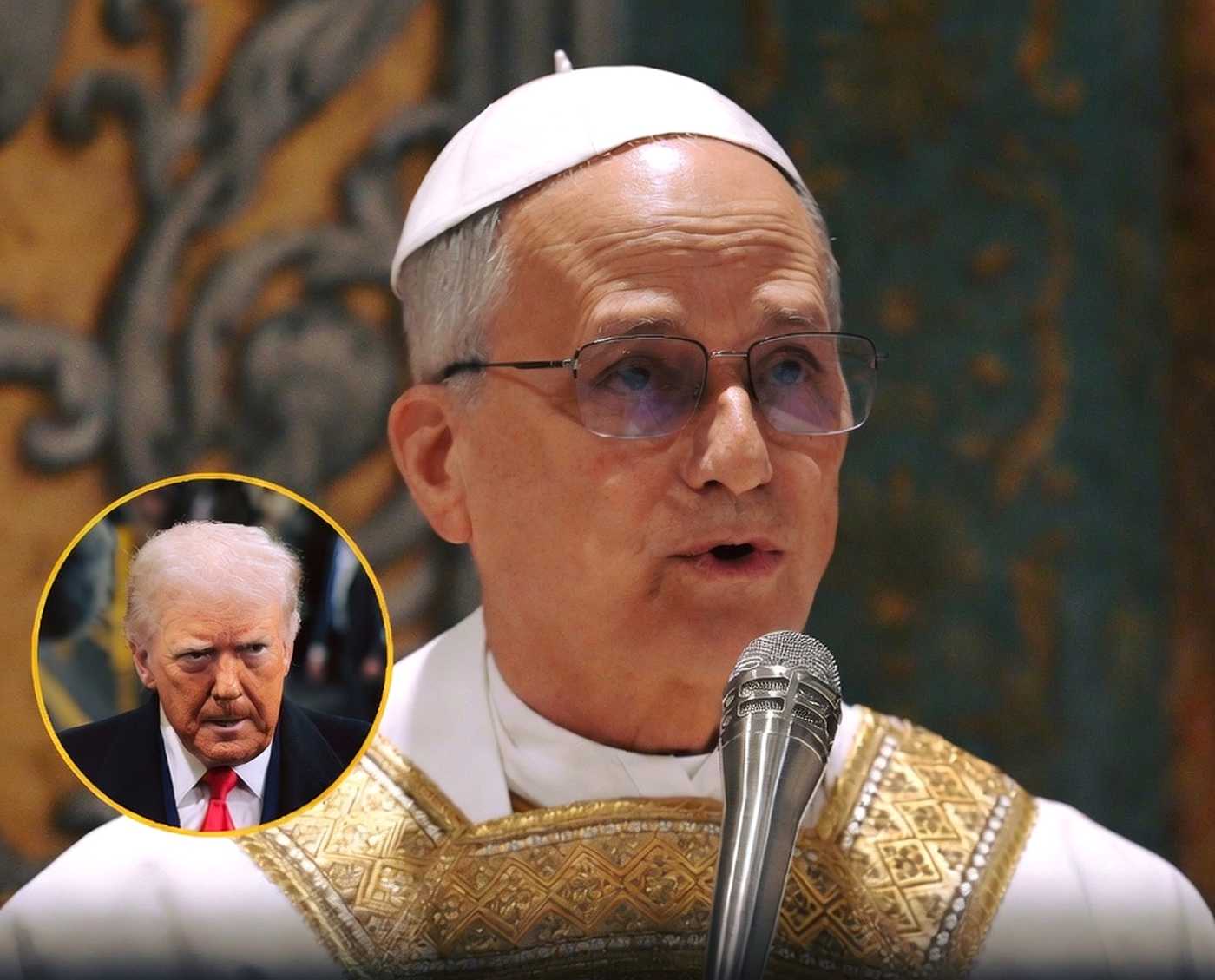
Recent discussions circulating across social media platforms have drawn attention to alleged comments involving former U.S. President Donald Trump and a figure referred to online as Pope Leo, in relation to international political and humanitarian issues.
According to various online posts and unverified reports, tensions reportedly emerged after comments attributed to Pope Leo regarding global conflicts and the importance of diplomatic peace efforts were widely shared.
In the same wave of online discussion, users claimed that these remarks were interpreted by some political commentators as indirect criticism of certain foreign policy approaches associated with major world powers.
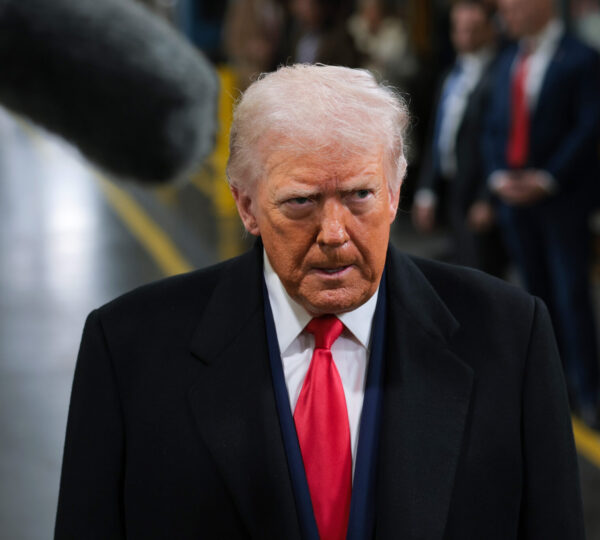
These circulating statements suggested that the religious leader emphasized concerns about violence, civilian suffering, and the importance of peaceful resolution in international disputes
However, it is important to note that these claims are largely based on social media interpretation and have not been independently verified by official Vatican communications or major international news agencies.
Some posts claimed that Trump issued remarks through social media platforms addressing foreign policy debates and expressing disagreement with statements attributed to religious leadership figures.
These alleged comments, widely shared across digital platforms, included critical language that sparked further debate among supporters and critics, contributing to increased online engagement and discussion.
At the same time, online narratives also suggested that Donald Trump reacted strongly to perceived criticism, as has often been portrayed in public discourse regarding his communication style and response to opposition viewpoints
In this case, much of the reported exchange appears to originate from user-generated content rather than confirmed official transcripts or verified press releases.
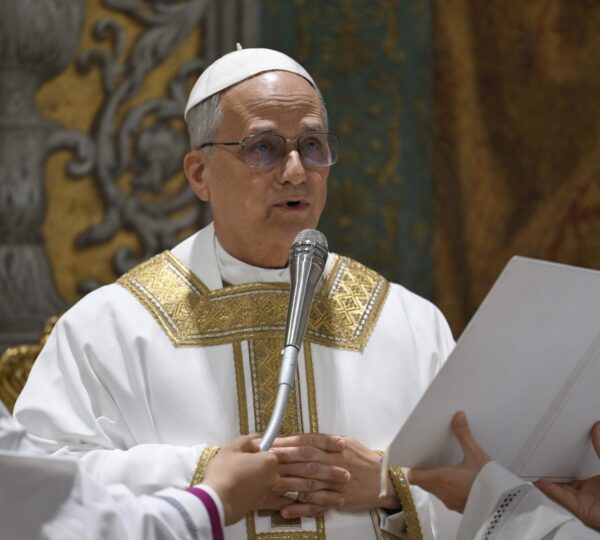
Separately, the figure referred to as Pope Leo in these discussions is presented in online narratives as a vocal advocate for peace, diplomacy, and humanitarian concerns related to ongoing global conflicts.
It is important to emphasize that social media often amplifies politically sensitive content, sometimes blending verified facts with speculation, interpretation, and commentary
Some online users interpreted these alleged remarks as moral or ethical criticism of military actions and broader geopolitical strategies, although no official record confirms the exact wording shared on social platforms.
In response to the viral spread of these claims, various fact-checking concerns have been raised about the accuracy and origin of the quoted statements.
Observers of digital media trends note that political and religious figures are frequently subjects of viral narratives, especially when global tensions are high and public interest in leadership statements increases.
According to circulating summaries, the statements attributed to him emphasize the importance of protecting civilians, avoiding escalation of violence, and prioritizing diplomatic dialogue between nations
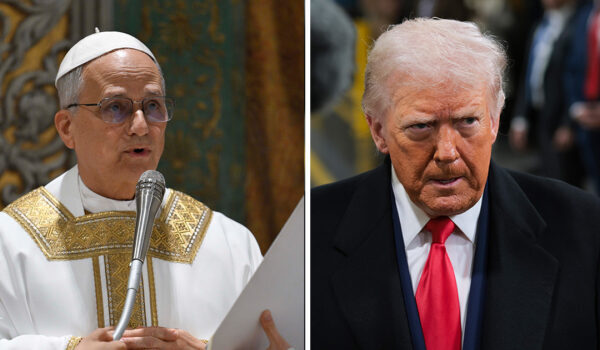
In addition, commentary attributed to Donald Trump in these discussions reflects a broader pattern in which his public statements are widely analyzed, shared, and sometimes interpreted differently depending on political perspective.
This polarization contributes to the rapid spread of related content across online platforms, where headlines and excerpts are often shared without full context.
As is often the case in politically sensitive topics, information can spread rapidly online before being verified, leading to confusion between confirmed news and speculative reporting
It is also common for public figures to be placed at the center of viral narratives that combine real policy discussions with speculative or partially accurate claims.
In this context, the alleged exchange between Trump and Pope Leo should be understood primarily as part of ongoing online discourse rather than confirmed diplomatic or institutional communication.
Supporters often view his responses as direct and assertive communication, while critics interpret them as confrontational or controversial, particularly in international policy debates
No official statements from recognized governmental or religious authorities have fully validated the specific quotes circulating on social media platforms.
Digital platforms continue to play a major role in shaping public perception of political and religious discourse, often accelerating the spread of both factual updates and unverified claims.
As a result, distinguishing between confirmed information and online speculation has become increasingly important in modern media consumption.
Experts in media literacy frequently caution that emotionally charged content should be evaluated carefully, especially when it involves multiple high-profile figures and sensitive geopolitical issues
Until verified sources provide clear confirmation, these narratives should be viewed as part of broader online discourse rather than established fact.